

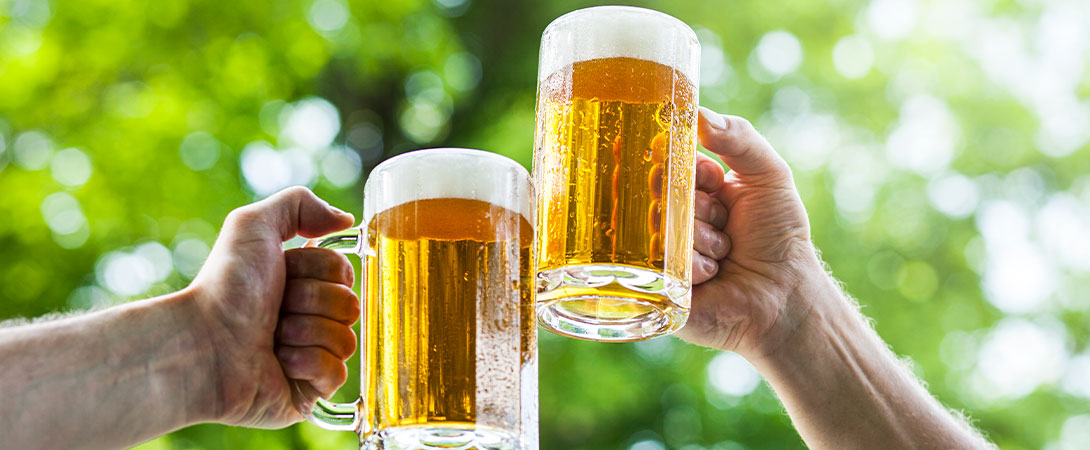
BEER ISN’T JUST A SOCIAL DRINK
Benefits of Drinking Beer, are there any benefits of drinking beer and is it as against the what you already known beer to be? find out more
Beer is often associated with:
- Parties
- Sports
- Relaxation
But when consumed in moderation, beer can offer unexpected health and wellness benefits that many people don’t realize.
This article breaks down the science-backed benefits of drinking beer, explains how they work, and clarifies where moderation matters.
No hype. No myths. Just facts.
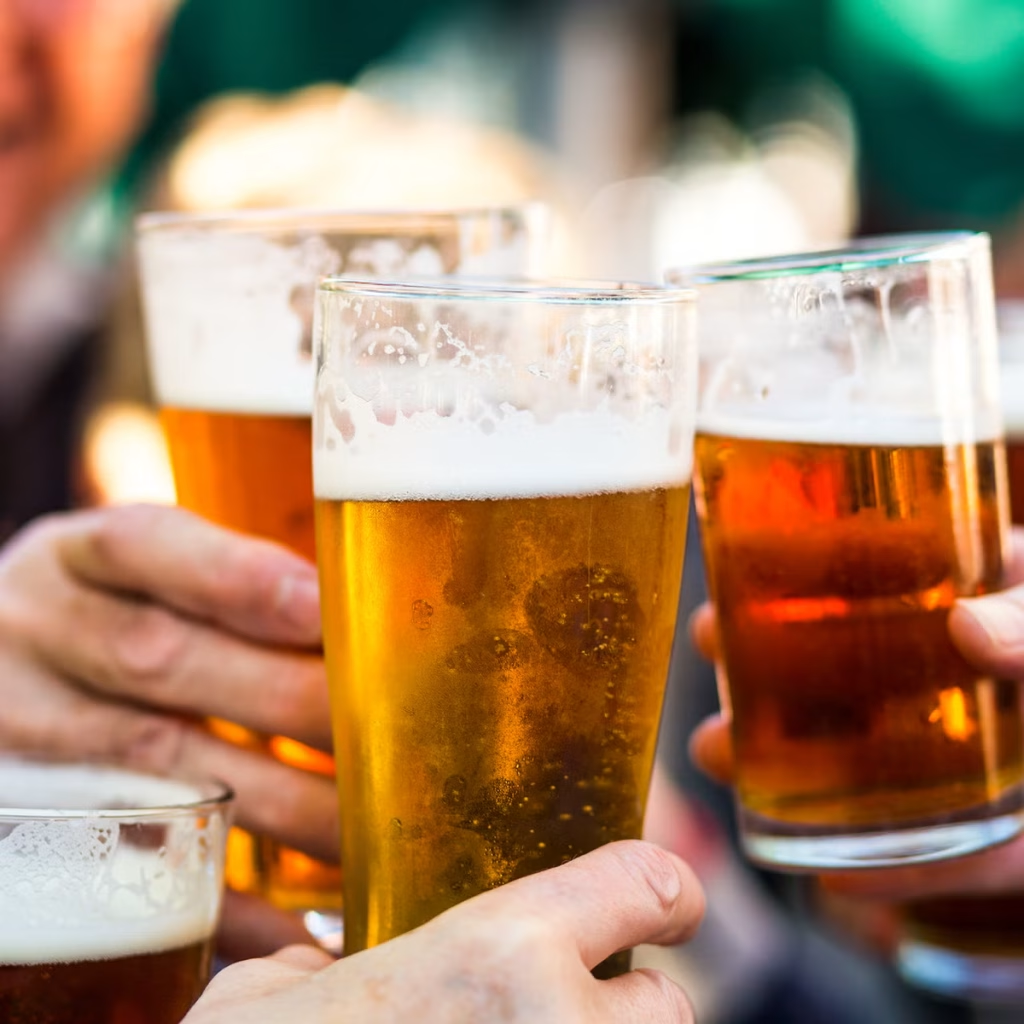
WHAT “MODERATE DRINKING” ACTUALLY MEANS
Before we begin, clarity matters.
Moderate beer consumption is defined as:
- Men: up to 1–2 beers per day
- Women: up to 1 beer per day
Exceeding this removes most benefits and increases health risks.
7 Shocking Reasons Why Men Lose Energy As They Age (Science-Backed Truth)
1️⃣ Supports Heart Health When Consumed Responsibly
One of the most studied benefits of beer is its link to cardiovascular health.
How Beer Helps the Heart:
- Contains polyphenols (especially from hops)
- May increase good HDL cholesterol
- Helps reduce arterial inflammation
Moderate beer drinkers have been shown to have a lower risk of heart disease compared to heavy drinkers or non-drinkers in some population studies.
📌 The benefit comes from moderation, not excess.
2️⃣ Beer Can Improve Digestion & Gut Health
Beer is a fermented beverage, which means it contains compounds that can support digestion.
Digestive Benefits Explained:
- Stimulates gastric acid production
- Helps break down food more efficiently
- Contains soluble fiber (especially in darker beers)
Some beers may support a healthier gut environment when consumed occasionally.
3️⃣ May Help Reduce Stress and Improve Relaxation
Beer’s mild alcohol content can:
- Lower stress hormones
- Promote relaxation
- Help people unwind socially
This effect is psychological and physiological.
Important Distinction:
- Relaxation ≠ dependency
- Beer should complement stress management, not replace it
Used responsibly, beer can support mental relaxation, especially in social settings.
🧾 BEER HEALTH BENEFITS – REVIEW BOX
Best For: Healthy Adults (Moderation)
Consumption Level: Low to Moderate
Alcohol Content: 4–6% ABV
Pros
- May support heart health
- Aids digestion
- Encourages relaxation
Cons
- High calories if overconsumed
- Not suitable for everyone
Beer can offer modest health benefits when enjoyed responsibly, but excess consumption reverses these effects.
4️⃣ Provides Essential Nutrients in Small Amounts
Beer contains trace amounts of:
- B vitamins (B6, B12, folate)
- Magnesium
- Potassium
- Silicon (important for bone health)
While beer should never replace nutritious food, these compounds contribute to its nutritional profile.

5️⃣ Encourages Social Bonding & Mental Well-Being
Social interaction is a key component of mental health.
Beer often plays a role in:
- Social gatherings
- Community bonding
- Stress relief through connection
Strong social ties are linked to:
- Lower anxiety
- Improved mood
- Longer life expectancy
📌 The benefit comes from connection, not alcohol itself.
COMMON MISCONCEPTIONS ABOUT BEER
❌ “Beer is always unhealthy”
❌ “All alcohol is equally harmful”
❌ “Benefits apply to heavy drinking”
Truth:
- Dose matters
- Context matters
- Lifestyle matters
2026 Hydration Bottle: Stanley Quencher vs. Owala FreeSip
WHO SHOULD AVOID BEER ENTIRELY?
Beer is NOT recommended for:
- Pregnant individuals
- People with liver conditions
- Those with alcohol dependency
- Individuals on certain medications
Health always comes first.
FINAL VERDICT: IS BEER ACTUALLY GOOD FOR YOU?
Yes — in moderation and for the right individuals.
Beer is:
- Not a health drink
- Not a cure
- Not harmless in excess
But when enjoyed responsibly, it can offer small but meaningful lifestyle benefits.



Leave a Reply