

WHY MOST BUDGETS FAIL
Budgeting is a financial plan balancing income against expenses to control spending and increase savings.
Start by calculating net income, listing fixed/variable expenses (needs vs. wants), setting goals, and tracking daily spending.
Popular methods include the 50/30/20 rule (50% needs, 30% wants, 20% savings) to ensure expenses don’t exceed earnings.
so here’s the question,
why is it even important to start budgetings for an entire month and what is the implications of having a simple budget?
Most people don’t fail at budgeting because they lack discipline.
They fail because:
- Budgets are too complicated
- Expenses are underestimated
- The system feels restrictive
A good budget should guide you, not punish you.
This article is both a how-to guide and a practical review of budgeting as a system, showing what works, what doesn’t, and how to keep it simple.
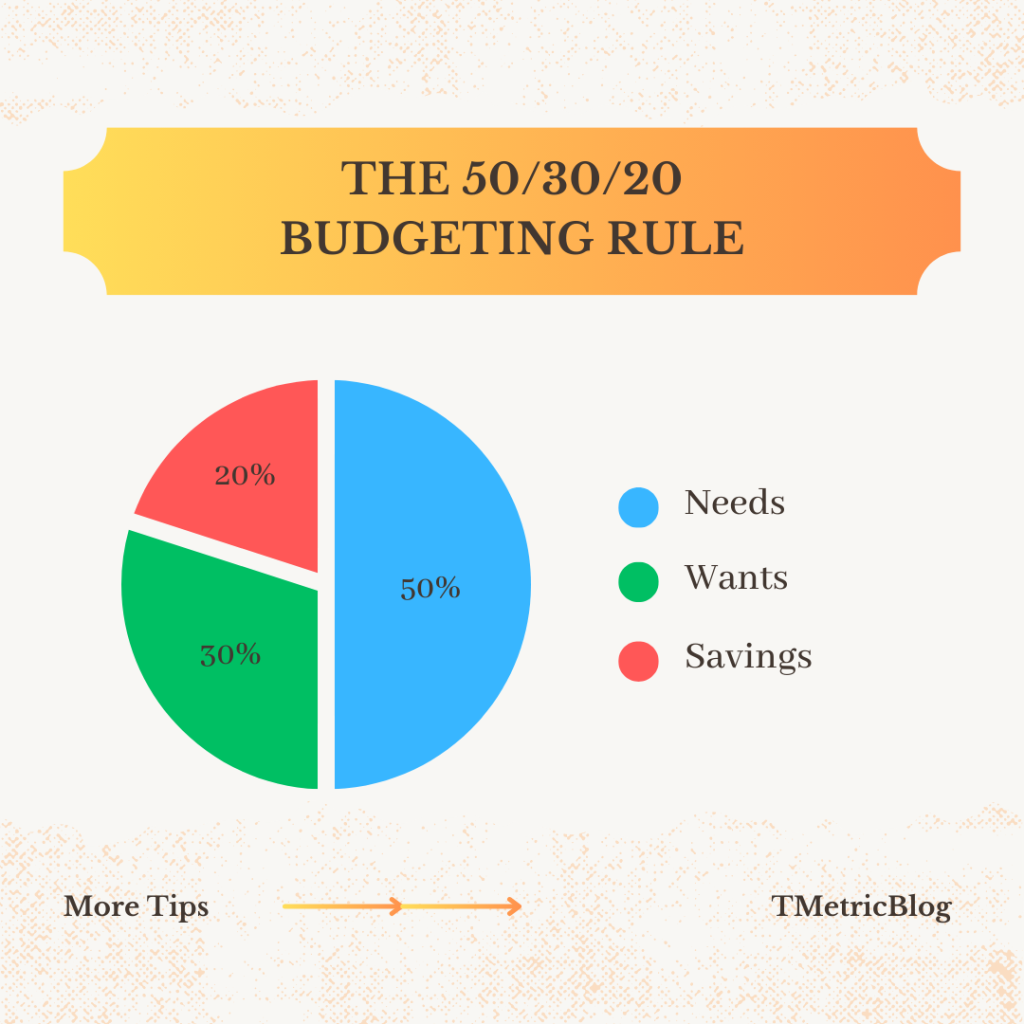
Image credit: TMetricBlog
STEP 1️⃣: UNDERSTAND WHAT A BUDGET REALLY IS
A budget is not:
- A list of restrictions
- A financial punishment
- A rigid spreadsheet
A budget is simply a plan for where your money should go before you spend it.
Think of it as a GPS for your finances.
STEP 2️⃣: CALCULATE YOUR REAL MONTHLY INCOME
Before budgeting, you must know exactly how much money comes in.
Include:
- Salary (after tax)
- Freelance income
- Side hustles
Exclude:
- Bonuses (until received)
- One-time gifts
📌 Always budget with guaranteed income only.
Read More Smart Money How-To Guides on RevNet
STEP 3️⃣: LIST ALL FIXED EXPENSES FIRST
Fixed expenses are bills that don’t change much.
Examples:
- Rent or mortgage
- Internet
- Phone bill
- Insurance
- Subscriptions
These form the foundation of your budget.
STEP 4️⃣: TRACK VARIABLE SPENDING (THIS IS WHERE PEOPLE LOSE MONEY)
Variable expenses change monthly:
- Food
- Transport
- Entertainment
- Shopping
Most budget leaks happen here because:
- Spending isn’t tracked
- Small purchases add up
Tracking even for 30 days can be eye-opening.
STEP 5️⃣: USE THE 50/30/20 RULE (REVIEWED HONESTLY)
What It Is:
- 50% Needs
- 30% Wants
- 20% Savings/Debt
What Works:
✔ Simple
✔ Flexible
✔ Beginner-friendly
What Doesn’t:
✖ Doesn’t fit very low incomes
✖ Needs adjustment in high-cost cities
📌 Treat this rule as a starting framework, not a law.
Read More Smart Money How-To Guides on RevNet
STEP 6️⃣: PAY YOURSELF FIRST (THE MOST IMPORTANT STEP)
Savings should not be “what’s left.”
Instead:
- Save immediately after income arrives
- Even if it’s just $50–$100
This builds consistency and financial confidence.
STEP 7️⃣: ADD A BUFFER FOR REAL LIFE
Life happens:
- Unexpected expenses
- Emergencies
- Social events
A good budget includes a miscellaneous buffer (5–10%).
Budgets fail when they ignore reality.
STEP 8️⃣: REVIEW AND ADJUST MONTHLY
A budget is a living system, not a fixed document.
At the end of every month:
- Review what worked
- Identify overspending
- Adjust categories
Improvement beats perfection.
STEP 9️⃣: USE TOOLS — BUT DON’T OVERCOMPLICATE
Budgeting tools can help:
- Apps
- Spreadsheets
- Simple notebooks
The best tool is the one you’ll actually use.
🧾 HOW-TO BUDGETING REVIEW
COMMON BUDGETING MISTAKES (QUICK REVIEW)
❌ Budgeting without tracking
❌ Ignoring small expenses
❌ Being too strict
❌ Not adjusting after mistakes
FINAL VERDICT:
DOES A SIMPLE MONTHLY BUDGET REALLY WORK?
Yes — when done correctly.
A budget works when it:
- Matches your lifestyle
- Adjusts with reality
- Focuses on progress, not perfection
Budgeting isn’t about control —
it’s about freedom and clarity.






Leave a Reply