


WHY DOG FOOD IS NOT JUST “DOG FOOD”
Dog Nutrition:
Dog nutrition requires a balance of proteins, fats, carbs, vitamins, minerals, and water, tailored to age, size, and activity, with high-quality commercial foods generally sufficient.
focus on animal-based proteins, healthy fats for energy/skin, and limit harmful human foods like chocolate, grapes, and xylitol, while ensuring constant fresh water access for optimal health.
Most pet owners believe buying dog food is simple:
- Pick a brand
- Check the price
- Feed daily
That belief is costing dogs their health.
Modern dogs suffer from:
- Obesity
- Allergies
- Digestive disorders
- Skin diseases
- Low energy levels
And in many cases, food is the root cause.
The global pet food industry is worth over $150 billion, yet many products prioritize profit over pet health.
This long-form guide breaks down 17 proven dog nutrition truths, separating marketing myths from biological facts — so you can feed your dog safely, affordably, and intelligently.

1️⃣ Dogs Are Not Mini Wolves (But They’re Not Humans Either)
One of the biggest myths in pet nutrition is that dogs should eat exactly like wolves.
The truth:
- Dogs evolved alongside humans for 15,000+ years
- They can digest carbohydrates better than wolves
- They still require animal-based proteins
Balance matters more than extremes.
9 Proven Health Supplements That Deliver Powerful Benefits (Backed by Science, Not Hype)
2️⃣ Ingredient Lists Matter More Than Brand Names
Pet food branding is misleading by design.
What to look for:
- Named proteins (chicken, beef, salmon)
- Whole food ingredients
- Minimal fillers
Red flags:
- “Meat by-products” (undefined)
- Excess corn or soy
- Artificial dyes
If the first ingredient is vague, the food probably is too.
3️⃣ Protein Quality Beats Protein Quantity
A “30% protein” label means nothing if the protein source is poor.
High-quality protein sources:
- Chicken meal
- Turkey
- Fish meal
- Eggs
- Low-quality sources:
- Plant protein concentrates
- Unspecified animal meals
Dogs absorb amino acids, not percentages.
4️⃣ Grain-Free Is Not Automatically Better
Grain-free diets became popular — then controversial.
What research shows:
- Grains aren’t inherently harmful
- Poor formulations cause issues, not grains
- Fiber is essential for gut health
Whole grains ≠ fillers.
Compare Top Dog Food Brands
5️⃣ Artificial Additives Do More Harm Than Good
Colorful kibble is designed to attract humans — not dogs.
Additives to avoid:
- BHA / BHT
- Ethoxyquin
- Artificial dyes
Dogs don’t care what color their food is.
13 Proven Fitness Principles That Build Powerful Strength, Energy, and Longevity (Science-Backed Guide)
6️⃣ Wet Food vs Dry Food: The Real Comparison
Both have benefits.
Dry food pros:
- Affordable
- Dental abrasion
- Shelf stability
Wet food pros:
- Higher moisture
- Better palatability
- Easier digestion
Many experts recommend combination feeding.
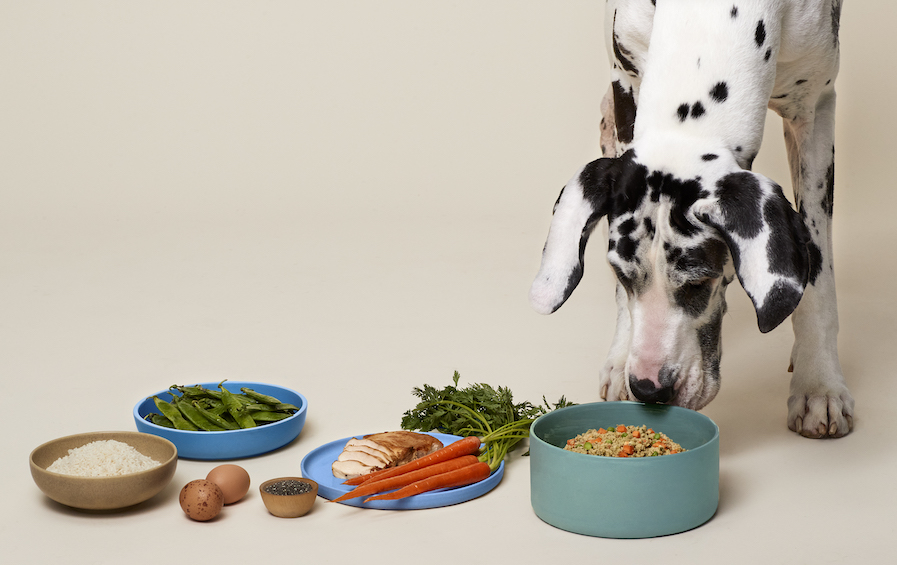
Dog Food Quality Review Snapshot
Best For: Adult Dogs & Puppies
Ingredient Quality: High (Premium Brands)
Veterinary Alignment: Strong
- Supports long-term health
- Improves coat & digestion
- Reduces vet visits
Cons
- Premium foods cost more
- Label reading takes effort
High-quality dog food delivers measurable health benefits when ingredients, protein sources, and formulation are prioritized over branding.
7️⃣ Age-Specific Nutrition Is Non-Negotiable
Dogs require different nutrients at different life stages.
Puppies:
- Higher protein
- DHA for brain development
- Calcium balance
Adults:
- Maintenance energy
- Lean muscle support
Seniors:
- Joint supplements
- Lower calories
- Digestive support
Feeding the wrong stage shortens lifespan.
8️⃣ Breed Size Changes Everything
A Chihuahua and a Great Dane are biologically different.
Large breeds:
- Joint support
- Slower growth formulas
Small breeds:
- Higher metabolism
- Smaller kibble size
Breed-appropriate nutrition reduces skeletal disorders.
9️⃣ Raw Diets: Powerful or Problematic?
Raw feeding has benefits — and risks.
Pros:
- Whole foods
- High palatability
Cons:
- Bacterial risk
- Nutrient imbalance
- Preparation complexity
Raw diets should be professionally guided, not improvised.
1️⃣0️⃣ Home-Cooked Dog Food: Is It Worth It?
Homemade diets offer control but require precision.
Challenges:
- Nutrient balance
- Time investment
- Cost
Most vets recommend supplementation if home-cooking.
1️⃣1️⃣ Allergies Are Often Food-Related
Common dog food allergens:
- Beef
- Dairy
- Wheat
- Chicken
Symptoms include:
- Itchy skin
- Ear infections
- Digestive upset
Elimination diets help identify triggers.
1️⃣2️⃣ Supplements: Helpful or Hype?
Some supplements work. Others don’t.
Evidence-backed supplements:
- Omega-3 fatty acids
- Glucosamine
- Probiotics
Supplements support food — they don’t replace it.
1️⃣3️⃣ Feeding Frequency Affects Metabolism
Most adult dogs thrive on:
-
2 meals per day
Benefits:
- Stable blood sugar
- Reduced bloating risk
Free-feeding encourages obesity.
1️⃣4️⃣ Portion Control Prevents Silent Weight Gain
Obesity shortens dog lifespan by up to 2 years.
Use:
- Measuring cups
- Calorie guidelines
- Body condition scoring
Healthy dogs live longer.
1️⃣5️⃣ Hydration Is Part of Nutrition
Dehydration affects:
- Kidney health
- Digestion
- Energy
Wet food and clean water matter equally.
1️⃣6️⃣ Ethical & Sustainable Pet Food Is Rising
Modern pet owners care about:
- Ingredient sourcing
- Animal welfare
- Environmental impact
Ethical brands often deliver higher quality.
1️⃣7️⃣ Consistency Beats Perfection
Switching foods constantly stresses digestion.
Best practice:
- Choose a quality food
- Transition slowly
- Monitor results
Stable routines support gut health.
FINAL THOUGHTS: SMART FEEDING IS AN ACT OF LOVE
Dogs trust humans completely.
What you put in their bowl affects:
-
Their energy
-
Their comfort
-
Their lifespan
Understanding nutrition transforms pet ownership from routine care into intentional stewardship.







Leave a Reply