


Introduction:
Why Workouts Feel Harder After 35
If you’re over 35 and feel like your body doesn’t bounce back the way it used to, you’re not imagining it.
Workouts that once felt energizing now leave you sore for days. Recovery takes longer.
Progress feels slower. And motivation can suffer when soreness lingers longer than expected.
This leads many people to ask:
Why does muscle recovery slow after 35 — and what actually helps?
This article breaks down:
-
What changes in the body after 35
-
Why recovery takes longer
-
What strategies truly improve recovery
-
Which supplements help (and which don’t)
No hype. No brand pushing. Just practical clarity.
What Happens to Muscle Recovery After 35?
Muscle recovery slows due to multiple biological changes, not just age.
Key Changes:
- Reduced protein synthesis efficiency
- Slower hormone signaling
- Increased inflammation
- Higher stress load
- Reduced sleep quality
These factors compound, making recovery less forgiving than in your 20s.
Read Also>>>>> Non-Stimulant Pre-Workout Supplements (2025): Benefits, Safety & What Actually Works
The Role of Hormones in Recovery
Hormones regulate:
- Muscle repair
- Inflammation control
- Energy production
As testosterone and growth hormone gradually decline, recovery signals become less efficient.
This doesn’t mean progress stops — it means recovery must be prioritized intentionally.
Why Soreness Lasts Longer Than It Used To
Delayed onset muscle soreness (DOMS) becomes more noticeable after 35 due to:
- Slower tissue repair
- Reduced blood flow efficiency
- Higher oxidative stress
Training intensity without proper recovery amplifies the problem.

Common Recovery Mistakes Men Over 35 Make
❌ Training Like You’re 25
Volume and intensity often need adjustment.
❌ Ignoring Sleep
Sleep is the #1 recovery tool — not supplements.
❌ Undereating Protein
Protein needs increase with age.
❌ Chasing Stimulus Over Recovery
More workouts ≠ better results.
What Actually Improves Muscle Recovery After 35
1️⃣ Sleep Optimization (Most Important)
- 7–9 hours nightly
- Consistent schedule
- Reduced late-night stimulation
Sleep drives hormone release and tissue repair.
2️⃣ Protein Intake & Timing
Muscle protein synthesis becomes less sensitive with age.
Effective strategies:
- Higher-quality protein sources
- Protein spread across meals
- Post-workout protein consistency
Recovery starts with nutrition.
3️⃣ Training Smarter, Not Harder
Better recovery comes from:
- Fewer junk sets
- Proper rest days
- Strategic deloads
Consistency beats intensity.
4️⃣ Stress Management
Chronic stress elevates cortisol, which interferes with:
- Muscle repair
- Testosterone balance
- Sleep quality
Stress management = recovery improvement.
Read Also>>>>> Are Testosterone Boosters Worth It or Just Hype? An Evidence-Based Review for Men in 2026
Do Supplements Actually Help With Recovery?
The Honest Truth:
Some do — many don’t.
Supplements should support recovery systems, not replace fundamentals.
Supplement Categories That Can Support Recovery
🔹 Amino Acid Support
Supports muscle repair and reduces breakdown.
🔹 Creatine (Recovery Adjacent)
Improves training output, indirectly supporting recovery capacity.
🔹 Mineral Support
Deficiencies in magnesium or zinc can slow recovery.
🔹 Anti-Inflammatory Support
Managing inflammation helps recovery, not suppressing it completely.
Effectiveness depends on quality and dosing, not labels.
Supplements That Are Often Overhyped
- Mega-dose antioxidants (can blunt adaptation)
- Extreme anti-inflammatory products
- Proprietary blends with no dosage transparency
Recovery requires balance, not suppression.
Recovery vs Muscle Growth: The Real Relationship
Muscle growth does not occur during workouts.
It happens:
- During rest
- During sleep
- During proper nutrition
Training provides the signal — recovery provides the result.
How Long Should Recovery Take After 35?
Typical guidelines:
- Large muscle groups: 48–72 hours
- High-intensity sessions: longer recovery windows
- Beginners: faster recovery
- Advanced trainees: slower recovery
Listening to recovery signals matters more than rigid schedules.
Signs Your Recovery Is Inadequate
- Persistent soreness
- Plateaued strength
- Poor sleep
- Reduced motivation
- Joint discomfort
These are signals, not weaknesses.
How to Build a Recovery-Focused Training Week
A smarter structure:
- 3–4 training days
- Planned rest days
- Lower weekly volume
- Recovery-focused nutrition days
Longevity beats burnout.
Is Faster Recovery Still Possible After 35?
Yes — but it requires:
✔ Intentional recovery
✔ Better sleep hygiene
✔ Strategic supplementation
✔ Smarter training
Not shortcuts.
Final Verdict: What Really Helps Muscle Recovery After 35
The Clear Takeaway
Muscle recovery after 35 doesn’t disappear — it demands respect.
What truly works:
✔ Quality sleep
✔ Adequate protein
✔ Intelligent training volume
✔ Stress control
✔ Targeted supplementation
What doesn’t:
✖ Overtraining
✖ Relying on stimulants
✖ Expecting quick fixes
Recovery is not a weakness — it’s a strategy.
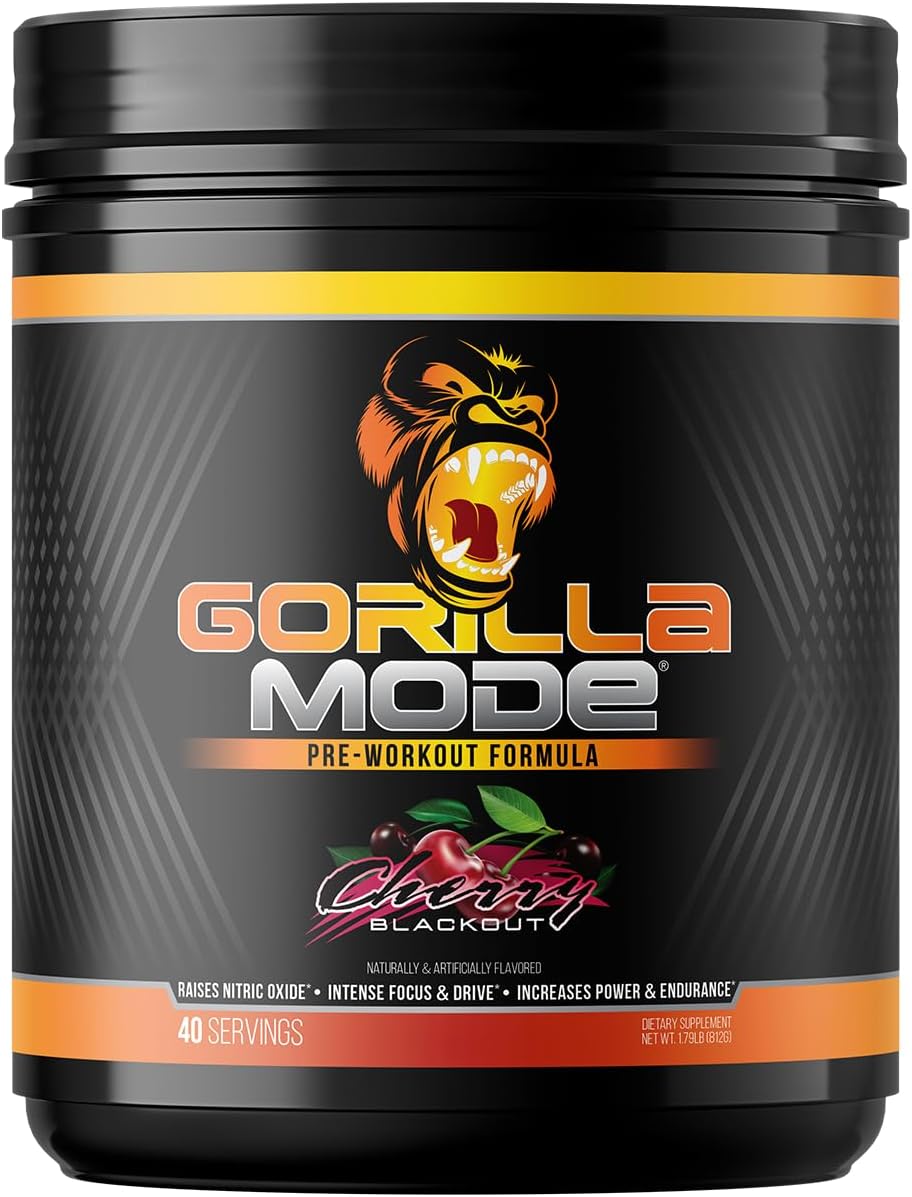
👉 If you’re exploring performance or recovery supplements, it’s important to understand how they fit into a broader recovery strategy rather than expecting instant results. Detailed ingredient breakdowns help identify which formulas support recovery versus those built on marketing.
Gorilla Mode Nitric Review 2025 – Ultimate Stimulant-Free Pump Pre-Workout Breakdown
FAQ
Why does muscle recovery slow after 35?
Hormonal shifts, inflammation, and reduced protein synthesis efficiency.
Can supplements replace recovery strategies?
No — they support, not replace, recovery fundamentals.
Is soreness normal after 35?
Yes, but prolonged soreness signals inadequate recovery.
Should training volume decrease with age?
Often yes — quality matters more than quantity.





Leave a Reply