

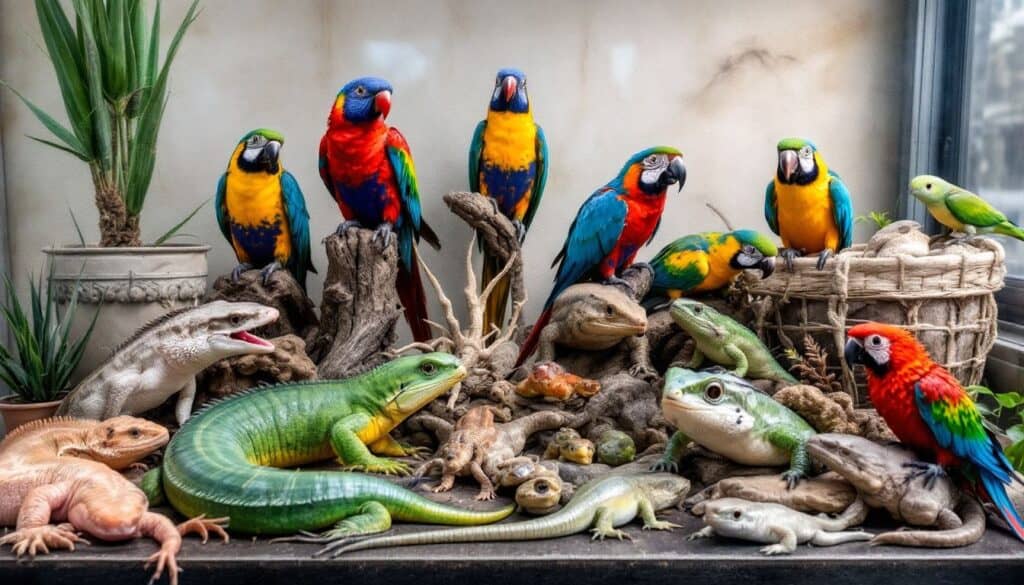
WHAT EXACTLY ARE EXOTIC PETS?
Pet care: refers to the various activities and expenses associated with the maintenance and well-being of domesticated animals kept for pleasure, including nutrition, grooming, veterinary care, and other needs.
When people hear the term exotic pets, they often think of dangerous animals like lions or snakes.
In reality, exotic pets are simply animals that are:
- Not cats or dogs
- Not traditionally domesticated
- Kept under special care conditions
Common exotic pets include:
- Reptiles (lizards, turtles, snakes)
- Small mammals (hedgehogs, sugar gliders)
- Birds (parrots, cockatiels)
- Amphibians (frogs, salamanders)
Owning an exotic pet is not harder than owning a dog — but it requires different knowledge.
This guide explains everything slowly, clearly, and practically, even if you’ve never owned a pet before.
17 Proven & Powerful Dog Nutrition Truths Every Pet Owner Must Know Before Buying Dog Food (2026 Expert Review)

1️⃣ Exotic Pets Are Not “Low-Maintenance” Animals
Many beginners choose exotic pets because they believe they are easier.
The truth:
- Exotic pets need specific environments
- They rely completely on you for survival
- Mistakes can cause illness quickly
They may be quiet — but they are not maintenance-free.
2️⃣ Every Exotic Pet Has Unique Habitat Needs
Unlike dogs, exotic animals cannot adapt easily.
Examples:
- Reptiles need heat lamps
- Amphibians need humidity
- Birds need mental stimulation
- Small mammals need hiding spaces
A wrong environment = stress + disease.
3️⃣ Temperature Control Is Critical (Especially for Reptiles)
Reptiles cannot regulate body heat.
They require:
- Heat gradients
- Basking spots
- UVB lighting
Without proper heat, reptiles:
- Stop eating
- Become weak
- Die silently
9 Proven Health Supplements That Deliver Powerful Benefits (Backed by Science, Not Hype)
4️⃣ Exotic Pets Feel Stress (Even If They Don’t Show It)
Stress signs are subtle:
- Hiding constantly
- Not eating
- Aggression
- Color changes (reptiles)
Stress often comes from:
- Loud noises
- Excessive handling
- Poor enclosure setup
Calm environments save lives.
5️⃣ Feeding Exotic Pets Is About Nutrition, Not Convenience
You can’t feed exotic pets “whatever is available.”
Examples:
- Hedgehogs need protein-rich diets
- Lizards need insects + vegetables
- Birds need seeds + fresh foods
Wrong diets cause:
- Organ failure
- Weak bones
- Shortened lifespan
6️⃣ Cleanliness Prevents Most Exotic Pet Diseases
Exotic animals hide sickness well.
Proper hygiene includes:
- Weekly enclosure cleaning
- Fresh water daily
- Removing waste promptly
Dirty environments lead to parasites and infections.
Exotic Pet Care – Beginner Review Snapshot
Ideal For: Beginners & Responsible Owners
Learning Curve: Moderate
Initial Setup Cost: Medium
Pros
- Unique companionship
- Quiet and space-efficient
- Educational and fascinating
Cons
- Specialized care needed
- Limited vet availability
Exotic pets make rewarding companions when owners understand habitat, diet, and stress management requirements.
7️⃣ Handling Should Be Minimal and Purposeful
Many exotic pets do not enjoy being handled.
Excess handling causes:
- Stress
- Injury
- Immune suppression
Handling should be:
- Short
- Calm
- Necessary only
8️⃣ Veterinary Care Is Specialized (Plan Ahead)
Not all vets treat exotic animals.
Before adopting:
- Locate an exotic vet
- Understand emergency options
- Budget for higher care costs
Waiting until sickness appears is risky.
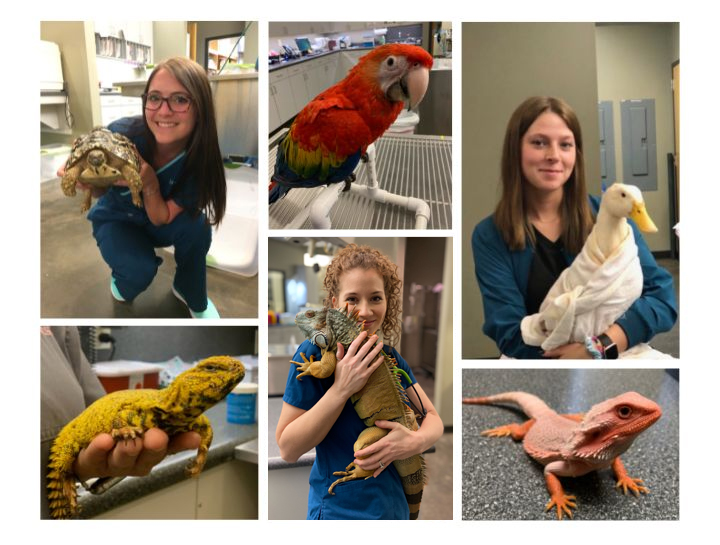
Image Credit: HealthPointe-exotics-photo
9️⃣ Lifespan Expectations Are Often Misunderstood
Some exotic pets live much longer than expected.
Examples:
- Tortoises: 50+ years
- Parrots: 30–60 years
- Bearded dragons: 10–15 years
Owning one is a long-term commitment.
🔟 Legal Restrictions Matter
Some exotic pets are illegal in certain regions.
Always check:
- Local laws
- Import regulations
- Permit requirements
Illegal ownership risks confiscation.
1️⃣1️⃣ Enclosure Size Directly Affects Health
Small cages = chronic stress.
Animals need:
- Space to move
- Space to hide
- Space to explore
Bigger is almost always better.
Muscle Recovery After 35: Best Strategies, Supplements & What Actually Works
1️⃣2️⃣ Enrichment Is Not Optional
Exotic pets get bored too.
Enrichment includes:
- Climbing structures
- Toys
- Foraging activities
Mental stimulation improves lifespan.
1️⃣3️⃣ Exotic Pets Are Not Decorations
They are living beings.
Avoid:
- Display-only care
- Ignoring behavioral needs
- Minimal interaction routines
Responsible ownership builds trust.
1️⃣4️⃣ Beginners Should Start With Hardy Species
Recommended beginner exotic pets:
- Leopard geckos
- Corn snakes
- Cockatiels
- African dwarf frogs
Avoid advanced species early.
1️⃣5️⃣ Education Is the Best Tool You Have
Most exotic pet deaths are preventable.
Learn about:
- Species behavior
- Natural habitats
- Nutritional needs
Knowledge replaces fear with confidence.
FINAL THOUGHTS: RESPONSIBILITY BEFORE CURIOSITY
Exotic pets are not toys, trends, or experiments.
They are:
- Intelligent
- Sensitive
- Dependent on human care
When cared for properly, exotic pets become fascinating, rewarding companions.








Leave a Reply