

WHY WEARABLE TECH IS MORE THAN A TREND
Smart wearable technology has evolved far beyond step counters and digital watches.
Today’s wearables:
- Monitor heart health
- Track sleep quality
- Improve fitness performance
- Support productivity
- Detect early health warning signs
This article explains what smart wearables really do, how they compare, and whether they’re actually worth using.
Smart wearable technology refers to electronic devices incorporating sensors, software, and internet connectivity, designed to be worn on the body as accessories or clothing to track, analyze, and transmit real-time data. These devices, including smartwatches, fitness trackers, and smart glasses, monitor health metrics (heart rate, sleep), provide immediate feedback, and often sync with smartphones.
- Functionality: They collect data using behavioral and physiological sensors for health monitoring,, fitness tracking, and productivity.
- Connectivity: Most wearables use Bluetooth or Wi-Fi to sync with applications, allowing data to be transmitted to smartphones, laptops, or the cloud.
- Applications: Primarily used for health and wellness, they are also expanding into healthcare (e.g., CGM sensors), entertainment (VR headsets), and lifestyle.
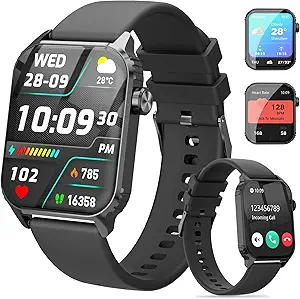
- Smartwatches: Devices like Apple Watch or Samsung Galaxy Watch, which provide notifications and health tracking.
- Fitness Trackers: Devices focused on activity, such as Fitbit or Garmin bands.
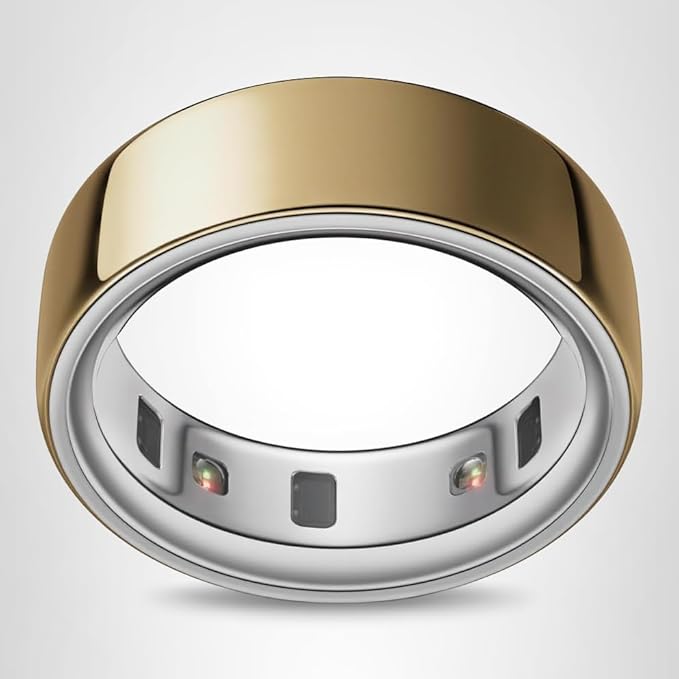
- Smart Rings: Compact devices like the Oura Ring for sleep and activity monitoring.
- Smart Clothing/Textiles: Garments with embedded sensors for health and fitness metrics.
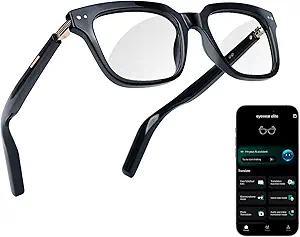
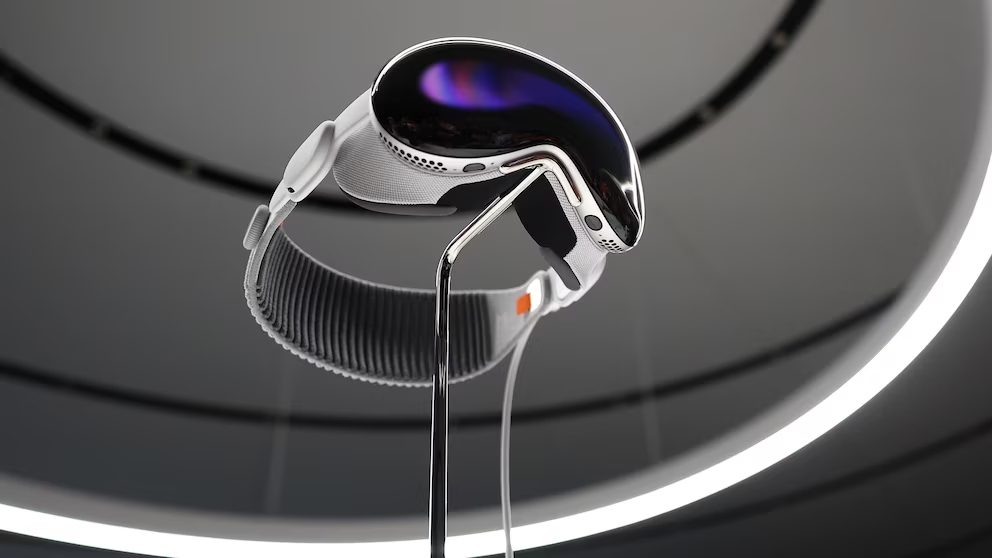
- Head-Mounted Displays: Virtual Reality (VR) or Augmented Reality (AR) headsets like Meta Quest or Microsoft HoloLens.
- Medical Wearables: Continuous glucose monitors and ECG monitors that transmit data to medical professionals.
WHAT IS SMART WEARABLE TECHNOLOGY? (EXPLAINED SIMPLY)
Smart wearables are electronic devices worn on the body that collect data and provide insights in real time.
Common examples include:
- Smartwatches
- Fitness trackers
- Smart rings
- Health-monitoring bands
Their main purpose is to turn daily behavior into measurable data.
Compare Amazon Top Smart Wearables
12 Powerful Home Fitness Equipment Essentials That Actually Work for Beginners (2026 Honest Guide)
1️⃣ Health Monitoring in Real Time (The Biggest Advantage)
Modern wearables can track:
- Heart rate
- Blood oxygen levels
- Stress indicators
- Activity patterns
Some devices can even detect:
- Irregular heart rhythms
- Sudden drops in oxygen
- Sleep disturbances
📌 This doesn’t replace doctors—but it adds early awareness.
2️⃣ Fitness Tracking That Improves Motivation
Wearables help users:
- Set realistic fitness goals
- Monitor progress
- Stay accountable
Seeing real data encourages:
- Consistency
- Movement
- Habit formation
Motivation becomes measurable, not emotional.
Read Also 13 Proven Fitness Principles That Build Powerful Strength, Energy, and Longevity (Science-Backed Guide)
3️⃣ Sleep Tracking Reveals Hidden Health Issues
Sleep is one of the most overlooked health metrics.
Wearables track:
- Sleep duration
- Sleep stages
- Restlessness
- Recovery quality
Many users discover:
- Poor sleep habits
- Irregular routines
- Stress-related sleep loss
Better sleep = better health.
Smart Wearable Technology – Review Snapshot
Best For: Health, Fitness & Lifestyle Tracking
User Level: Beginner to Advanced
Battery Life: 1–14 Days (Device Dependent)
- Real-time health insights
- Improves fitness consistency
- Encourages healthier habits
- Data accuracy varies by brand
- Can cause information overload
Smart wearable technology offers powerful health and lifestyle insights, especially when used consistently and responsibly.
Compare Amazon Top Smart Wearables
Similar Review 11 Game-Changing Consumer Gadgets That Deliver Powerful Value in 2025 (Smart Buyer’s Guide)
4️⃣ Smartwatches vs Fitness Trackers (Clear Comparison)
Smartwatches:
- Notifications
- Calls & messages
- Apps & payments
- Advanced health features
Fitness Trackers:
- Lightweight
- Longer battery life
- Focused on activity & sleep
- Lower cost
📌 Choose based on lifestyle, not hype.
Compare Amazon Top Smart Wearables
5️⃣ Productivity & Time Awareness Benefits
Wearables help users:
- Reduce phone dependency
- Stay focused
- Manage notifications
- Improve time awareness
Small reminders can prevent big productivity losses.
6️⃣ Stress Tracking & Mental Health Awareness
Some wearables track:
- Heart rate variability (HRV)
- Breathing patterns
- Stress indicators
This helps users:
- Identify burnout
- Improve recovery
- Practice mindfulness
Awareness is the first step to control.
Compare Amazon Top Smart Wearables
7️⃣ Data Accuracy: What Wearables Do Well (and Don’t)
Accurate For:
- Steps
- Heart rate trends
- Sleep duration
Less Accurate For:
- Calories burned
- Medical diagnoses
Wearables provide directional data, not clinical diagnosis.
8️⃣ Privacy & Data Security Concerns
Wearables collect sensitive data:
- Health metrics
- Location
- Daily habits
Users should:
- Review privacy policies
- Enable security settings
- Avoid unknown brands
Your data matters.
9️⃣ Are Smart Wearables Worth It?
Smart wearables are worth it if you:
- Want better health awareness
- Enjoy tracking progress
- Value habit improvement
They are not magic tools—but powerful assistants.
FINAL VERDICT: SMART WEARABLE TECH IN 2026
Smart wearable technology:
- Encourages healthier lifestyles
- Improves self-awareness
- Supports long-term behavior change
The real value comes from how you use the data, not the device itself.





Leave a Reply