

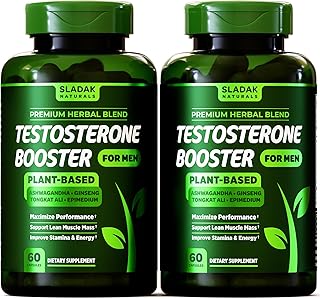
Introduction:
Why This Question Matters More Than Ever
Testosterone boosters are everywhere.
From gym locker rooms to YouTube ads, supplement companies promise higher energy, increased muscle mass, improved libido, and renewed confidence — all from a capsule or powder.
men over 30, especially those feeling slower, weaker, or less motivated than before, the appeal is obvious.
But here’s the real question most men are asking in 2026:
Are testosterone boosters actually worth it — or are they just clever marketing hype?
This article takes a no-sales, evidence-based approach to answering that question. We’ll break down:
- What testosterone boosters really do
- What science says vs marketing claims
- Who benefits the most
- Who should avoid them
- How to tell a legitimate supplement from hype
No fluff. No brand bias. Just clarity.
👉 If you’re considering testosterone support, always review ingredient quality, dosing, and transparency before choosing a product. In-depth breakdowns help separate science-backed formulas from hype.
TestoFuel Testosterone Booster Review 2026: Benefits, Results, Price & Is It Worth It?
What Testosterone Actually Does in the Male Body
Before judging testosterone boosters, it’s important to understand why testosterone matters.
Testosterone plays a role in:
- Muscle protein synthesis
- Fat metabolism
- Bone density
- Energy levels
- Mood and confidence
- Libido and sexual health
- Cognitive sharpness
Testosterone peaks in early adulthood and declines gradually with age, often starting as early as the late 20s or early 30s.
This decline is natural — but lifestyle, stress, sleep, diet, and inactivity can accelerate it.
Why Testosterone Levels Decline (And Why Supplements Exist)
Testosterone decline isn’t caused by age alone. Common contributors include:
- Chronic stress (elevated cortisol)
- Poor sleep quality
- Sedentary lifestyle
- Nutrient deficiencies (zinc, magnesium, vitamin D)
- Excess body fat
- Alcohol overconsumption
Testosterone boosters were created to address these modifiable factors, not to replace medical hormone therapy.
This distinction matters.
What Testosterone Boosters Are (And What They Are NOT)
What They Are
Testosterone boosters are dietary supplements designed to:
- Support the body’s natural testosterone production
- Improve hormone balance
- Reduce factors that suppress testosterone
They often include:
- Herbal extracts
- Essential minerals
- Amino acids
- Plant compounds
What They Are NOT
They are not:
- Synthetic testosterone
- Steroids
- Hormone replacement therapy (TRT)
This is why expectations must be realistic.
Do Testosterone Boosters Actually Work? (The Honest Answer)
Short Answer:
Yes — but only under specific conditions.
Testosterone boosters work best when:
- Testosterone is mildly or moderately low
- Deficiencies exist
- Lifestyle factors are addressed alongside supplementation
They are not miracle pills for severe hormonal deficiencies.
👉 If you’re considering AG1 2026 support, always review ingredient quality, dosing, and transparency before choosing a product. In-depth breakdowns help separate science-backed formulas from hype.
AG1 2026 Review: Real Results, Side Effects, Ingredients & Buying Guide
What Science Says About Testosterone Boosters
Research shows mixed but promising results — depending on ingredients and context.
Evidence-Supported Benefits:
- Zinc and magnesium can restore testosterone when deficient
- Vitamin D supports hormone regulation
- Ashwagandha may reduce cortisol, indirectly improving testosterone
- Fenugreek may support free testosterone levels
Where Marketing Exaggerates:
- Claims of “doubling testosterone” in weeks
- Instant muscle growth without training
- TRT-level effects from supplements
The science supports support — not replacement.
Who Testosterone Boosters Are Actually Worth It For
Testosterone boosters tend to be worth it for:
✅ Men Over 30–40
Age-related decline is common and often mild.
✅ Men With Low Energy & Motivation
Especially when stress and poor sleep are factors.
✅ Active Men & Gym Goers
Boosters may enhance training adaptations when paired with resistance training.
✅ Men With Nutrient Deficiencies
Many men lack zinc, magnesium, and vitamin D.
Who Testosterone Boosters Are NOT Worth It For
They may not be worth it if you:
❌ Expect steroid-like results
❌ Have clinically low testosterone requiring medical treatment
❌ Don’t train, sleep, or eat properly
❌ Have hormone-sensitive medical conditions
In such cases, supplements won’t override biology.
👉 If you’re considering Prostadine Prostate support, always review ingredient quality, dosing, and transparency before choosing a product. In-depth breakdowns help separate science-backed formulas from hype.
Testosterone Boosters vs TRT: A Critical Comparison
| Aspect | Testosterone Boosters | TRT |
|---|---|---|
| Prescription | No | Yes |
| Hormone Source | Natural stimulation | Synthetic testosterone |
| Risk Level | Low (when reputable) | Moderate to high |
| Long-Term Dependency | No | Yes |
| Cost | Moderate | High |
| Best For | Mild decline | Clinical deficiency |
This is why many men start with supplements before considering TRT.
Are Testosterone Boosters Safe?
When sourced from reputable brands and used responsibly, testosterone boosters are generally safe.
Common Safety Considerations:
- Avoid proprietary blends with hidden dosages
- Watch stimulant content
- Cycle usage if recommended
- Consult a doctor if on medication
Safety depends more on formulation than the concept itself.
Common Myths About Testosterone Boosters
❌ Myth 1: They Don’t Work at All
Truth: Many do — under the right conditions.
❌ Myth 2: They’re Just Steroids
Truth: Legit boosters contain no hormones.
❌ Myth 3: All Boosters Are Scams
Truth: Ingredient quality and dosing matter.
❌ Myth 4: Results Should Be Immediate
Truth: Hormonal changes take weeks, not days.
How to Tell If a Testosterone Booster Is Legit or Hype
Before buying, check if the product:
- Discloses full ingredient dosages
- Uses clinically researched compounds
- Avoids outrageous claims
- Has third-party testing
- Is transparent about limitations
This is where in-depth reviews matter, not ads.
How Long Do Testosterone Boosters Take to Work?
Typical timeline:
- Week 1–2: Energy and mood changes
- Week 3–4: Training performance improvements
- Week 6–8: Hormonal stabilization benefits
Results vary — consistency matters.
Do Testosterone Boosters Replace Lifestyle Changes?
Absolutely not.
They work best when combined with:
- Resistance training
- Adequate sleep
- Protein-rich nutrition
- Stress management
Think of them as support tools, not shortcuts.
Final Verdict: Are Testosterone Boosters Worth It in 2026?
The Honest Conclusion
Testosterone boosters are not hype — but they are often misunderstood.
They are worth it if:
✔ You have mild age-related decline
✔ You want natural hormonal support
✔ You train and live intentionally
✔ You choose evidence-based products
They are NOT worth it if:
✖ You expect dramatic hormonal changes
✖ You ignore lifestyle fundamentals
✖ You use low-quality supplements
When used correctly, testosterone boosters can be a valuable part of a men’s health strategy — not a magic pill, but a meaningful support system.
👉 If you’re considering testosterone support, always review ingredient quality, dosing, and transparency before choosing a product. In-depth breakdowns help separate science-backed formulas from hype.
TestoFuel Testosterone Booster Review 2026: Benefits, Results, Price & Is It Worth It?
FAQ
Are testosterone boosters FDA approved?
Dietary supplements are not FDA-approved but must comply with safety regulations.
Can testosterone boosters increase muscle?
They may support muscle growth when combined with resistance training.
Are testosterone boosters legal?
Yes, when they contain no banned substances.
Should I cycle testosterone boosters?
Some formulations recommend cycling; others can be used continuously.



Leave a Reply