

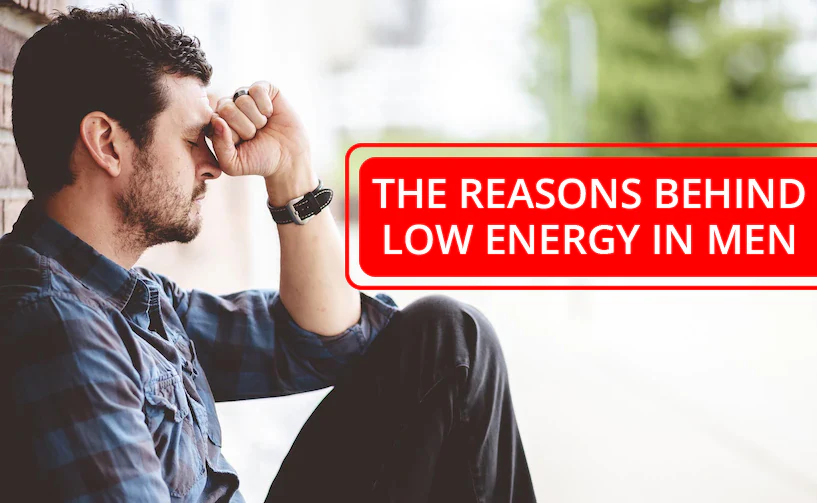
Men’s Health › Energy & Vitality › Why Men Lose Energy As They Age
Introduction:
“I’m Not Lazy — I’m Just Tired”
Many men reach their 30s or 40s and quietly wonder:
-
Why do I feel tired all the time?
-
Why do workouts drain me instead of energize me?
-
Why is my motivation lower than it used to be?
This loss of energy often happens gradually, making it easy to dismiss as “normal aging.”
But while aging plays a role, energy decline is not inevitable — and it’s rarely caused by just one factor.
Understanding why men lose energy as they age is the first step toward regaining vitality, focus, and physical confidence.
This article breaks down the real biological, lifestyle, and environmental reasons behind declining energy — without hype, fear tactics, or product pushing.
What Does “Low Energy” Actually Mean?
Low energy isn’t just feeling sleepy.
It can show up as:
- Persistent fatigue
- Brain fog
- Reduced motivation
- Slower recovery from exercise
- Lower libido
- Decreased drive and confidence
Energy is a system-wide output, influenced by hormones, sleep, nutrition, stress, and metabolism.
When one system falters, energy follows.
Read Also Muscle Recovery After 35: Best Strategies, Supplements & What Actually Works
The Gradual Nature of Energy Decline in Men
Unlike sudden illness, male energy loss happens incrementally:
- Late nights feel harder to recover from
- Work stress feels heavier
- Training feels more draining
- Focus fades faster
Because the change is slow, many men accept it as permanent — when in reality, it’s often manageable and reversible.
Hormonal Changes: A Major (But Misunderstood) Factor
Testosterone Isn’t Just About Muscle
Testosterone influences:
- Energy metabolism
- Red blood cell production
- Mood and motivation
- Recovery and resilience
From the late 20s onward, testosterone levels decline about 1% per year on average.
This doesn’t mean deficiency — but even modest declines can affect energy when combined with other stressors.
Cortisol: The Silent Energy Drain
Chronic stress elevates cortisol, which:
- Suppresses testosterone
- Disrupts sleep
- Increases fatigue
- Promotes muscle breakdown
Modern life keeps cortisol elevated far longer than the body evolved to handle.
Sleep Quality Declines With Age (Even If Hours Don’t)
Many men say:
“I still sleep 7 hours, but I wake up tired.”
That’s because sleep quality matters more than sleep quantity.
Age-related sleep changes include:
- Less deep sleep
- More nighttime awakenings
- Reduced melatonin production
Sleep disruption quietly erodes energy, hormones, and focus.
Muscle Loss and Energy Efficiency
After age 30, men lose muscle mass if it’s not actively maintained.
Why this matters for energy:
- Muscle improves insulin sensitivity
- Muscle supports metabolism
- Muscle reduces fatigue during activity
Less muscle = higher energy cost for daily tasks.
This creates a feedback loop:
Less energy → less activity → more muscle loss → even less energy
Nutritional Gaps That Appear Over Time
As men age:
- Digestion becomes less efficient
- Nutrient absorption declines
- Calorie needs drop, but nutrient needs don’t
Common deficiencies linked to low energy:
- Magnesium
- Zinc
- B vitamins
- Iron (in some cases)
Even men who “eat fine” may fall short.
Stress, Mental Load, and Cognitive Fatigue
Energy isn’t purely physical.
Mental fatigue drains motivation just as much as physical exhaustion.
Sources include:
- Career pressure
- Financial stress
- Family responsibilities
- Constant digital stimulation
The brain consumes massive energy.
When overstimulated, the body feels drained even without physical exertion.
Read Also Non-Stimulant Pre-Workout Supplements (2025): Benefits, Safety & What Actually Works
Reduced Physical Activity (Without Realizing It)
Many men don’t stop moving — they just move less intensely.
- Fewer sports
- Less spontaneous movement
- More sitting
Ironically, this reduces energy production rather than conserving it.
The body adapts downward.
Inflammation: The Hidden Energy Tax
Low-grade chronic inflammation increases with age due to:
- Stress
- Poor sleep
- Processed foods
- Environmental exposure
Inflammation diverts energy toward immune activity, leaving less available for:
- Physical performance
- Mental clarity
- Motivation
You feel tired, but not sick.
Why Caffeine Stops Working Like It Used To
Caffeine doesn’t create energy — it blocks fatigue signals.
Over time:
- Tolerance builds
- Sleep quality suffers
- Adrenal stress increases
This creates a cycle of borrowed energy instead of restored vitality.
The Role of Recovery in Daily Energy
Energy is restored during recovery, not activity.
Poor recovery habits include:
- Late-night screen use
- Inconsistent sleep schedules
- Overtraining
- Undereating protein
Recovery deficits accumulate quietly until energy collapses.
What Actually Helps Restore Energy As Men Age
1️⃣ Sleep Quality Optimization
- Consistent sleep schedule
- Reduced blue light exposure
- Cooler sleeping environment
Sleep is the foundation.
2️⃣ Resistance Training (Not Overtraining)
Strength training:
- Preserves muscle
- Supports hormones
- Improves metabolic efficiency
More isn’t better — consistent is.
3️⃣ Stress Management (Non-Negotiable)
Stress reduction restores:
- Hormonal balance
- Sleep quality
- Mental energy
This isn’t optional after 35.
4️⃣ Strategic Nutrition
Energy improves when nutrition supports:
- Protein adequacy
- Micronutrient sufficiency
- Stable blood sugar
Quality matters more than calories.
5️⃣ Targeted Supplementation (Supportive, Not Magical)
Some men benefit from supplements that support:
- Nutrient repletion
- Recovery systems
- Exercise performance
Supplements amplify fundamentals — they don’t replace them.
What Does NOT Work (Despite Marketing Claims)
- Extreme stimulants
- Quick-fix hormone hacks
- Overtraining
- Skipping recovery
Energy restoration is systemic, not instant.
When Low Energy Signals a Bigger Issue
If fatigue persists despite lifestyle changes, consider:
- Sleep disorders
- Hormonal imbalances
- Nutrient deficiencies
- Chronic stress overload
Ignoring persistent fatigue isn’t strength — it’s avoidance.
The Truth About Aging and Energy
Aging does not automatically mean low energy.
Most energy decline comes from:
✔ Accumulated stress
✔ Reduced recovery
✔ Lifestyle drift
✔ Hormonal signaling changes
Address the systems — energy follows.
Final Takeaway: Energy Is Built, Not Lost
Men don’t “lose” energy because they age.
They lose energy because:
- Recovery is neglected
- Stress accumulates
- Nutrition becomes inconsistent
- Training becomes inefficient
Energy can be rebuilt — strategically, sustainably, and intelligently.
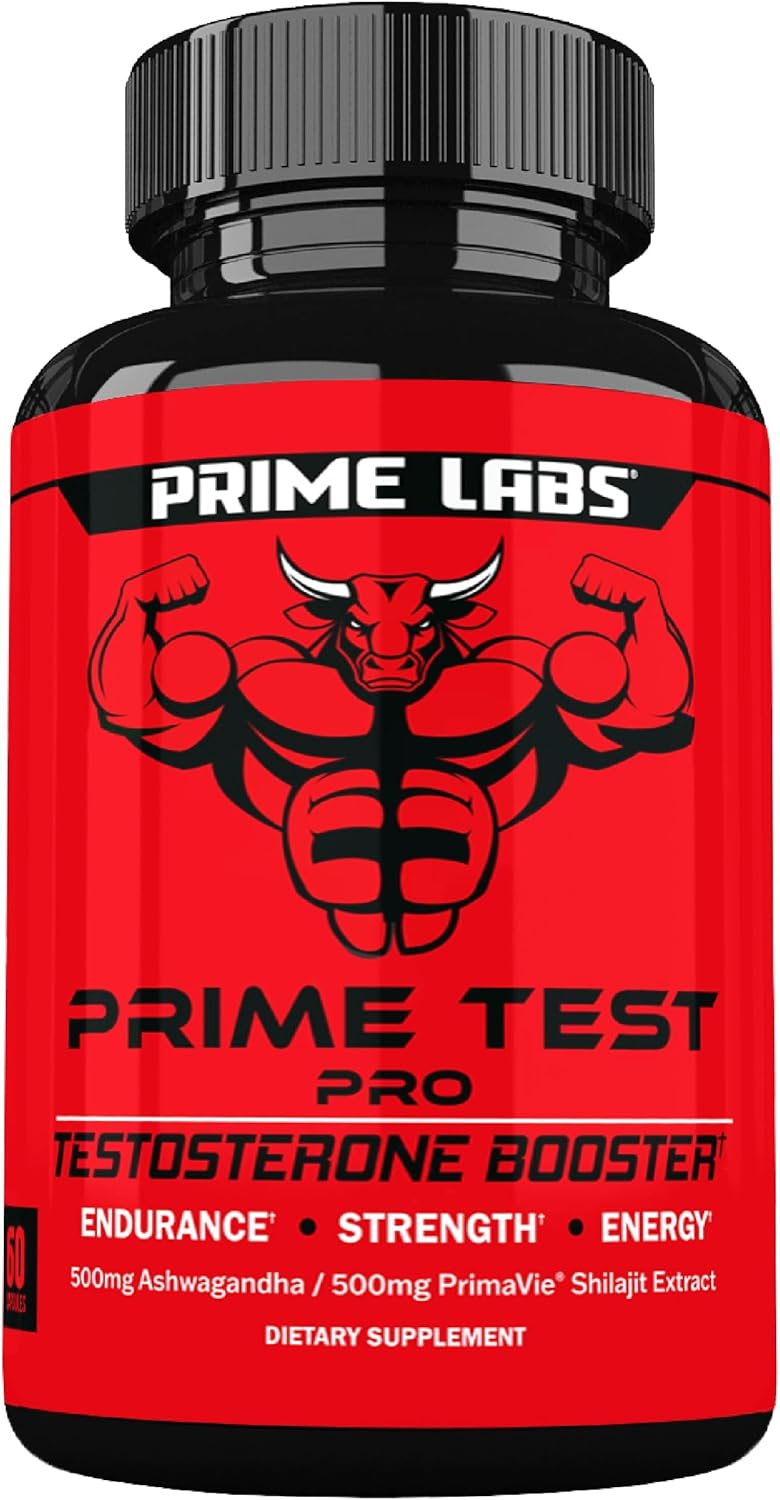
👉 Many men explore performance or vitality supplements when addressing low energy. Understanding how ingredients support recovery, circulation, and hormonal balance helps separate real solutions from hype.
AG1 2025 Review: Real Results, Side Effects, Ingredients & Buying Guide
FAQ
Why do men lose energy after 30?
Hormonal shifts, reduced sleep quality, stress, and muscle loss all contribute.
Is low energy normal with age?
Common, yes — inevitable, no.
Can supplements restore energy?
They can support recovery and performance when fundamentals are in place.
Does exercise increase or decrease energy?
Properly structured exercise increases long-term energy.



Leave a Reply