

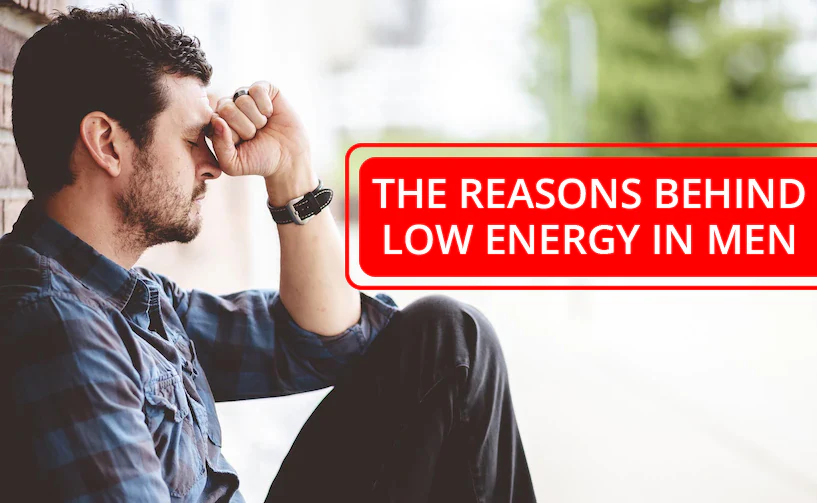
“I’m Doing Everything Right — So Why Am I Still Tired?”
Why men lose energy as they age?
Many men hit their 30s or 40s and notice a quiet but frustrating shift.
You’re still working hard.
Still trying to stay active.
Still pushing through responsibilities.
Yet your energy feels… gone.
Not dramatic exhaustion — just a constant drain:
- Less drive
- Slower mornings
- Reduced workout stamina
- Mental fog
This isn’t laziness. And it isn’t weakness.
It’s biology, lifestyle pressure, and recovery debt stacking over time.
Let’s break down the real reasons why men lose energy as they age — and what actually helps reverse it.
Quick Energy Decline Overview
- Primary Cause: Hormonal + recovery changes
- Most Affected Age: 30+
- Main Symptoms: Fatigue, low motivation, brain fog
- Reversible: Yes (with strategy)
- Quick Fixes: ❌ No
- Long-Term Solutions: ✅ Yes
Verdict: Energy loss is common — but not inevitable.
Reason #1: Hormonal Signaling Slowly Changes
Testosterone is often blamed — but the real issue is hormonal signaling efficiency, not just levels.
Testosterone supports:
- Energy metabolism
- Motivation and drive
- Muscle recovery
- Red blood cell production
From the late 20s onward, testosterone declines about 1% per year, but stress and poor recovery accelerate the impact.
At the same time, cortisol (the stress hormone) rises — quietly suppressing energy systems.
Read Also Muscle Recovery After 35: Best Strategies, Supplements & What Actually Works
Reason #2: Sleep Quality Declines (Even If You Sleep Enough)
Most men say:
“I sleep 7 hours — why am I still tired?”
Because sleep architecture changes with age:
- Less deep sleep
- More awakenings
- Lower melatonin output
Deep sleep is where:
- Hormones are restored
- Muscles repair
- The nervous system resets
Without it, energy never fully reloads.
Reason #3: Muscle Loss Reduces Energy Efficiency
After 30, men naturally lose muscle if they don’t train intentionally.
Why this matters:
- Muscle regulates blood sugar
- Muscle improves metabolism
- Muscle reduces fatigue during movement
Less muscle = more effort for the same tasks.
That’s why:
- Stairs feel harder
- Workouts drain faster
- Daily movement feels heavier
Read Also Non-Stimulant Pre-Workout Supplements (2026): Benefits, Safety & What Actually Works
Reason #4: Chronic Stress Steals Energy Quietly
Modern stress isn’t short-term — it’s constant.
Sources include:
- Career pressure
- Financial responsibility
- Family demands
- Constant notifications
Chronic stress:
- Elevates cortisol
- Suppresses testosterone
- Disrupts sleep
- Drains mental energy
You feel tired even when you “did nothing.”
Reason #5: Nutrient Absorption Declines With Age
Even men who “eat well” often miss key nutrients due to:
- Reduced stomach acid
- Poor absorption
- Lower food quality
Energy-related nutrient gaps include:
- Magnesium (sleep + recovery)
- Zinc (hormones + immunity)
- B vitamins (energy metabolism)
Deficiencies don’t cause collapse — they cause slow decline.
Reason #6: Recovery Debt Builds Over Time
In your 20s, you could:
- Sleep less
- Train harder
- Recover faster
After 35, recovery becomes intentional, not automatic.
Signs of recovery debt:
- Lingering soreness
- Brain fog
- Low motivation
- Reduced libido
Energy loss is often unpaid recovery debt.
Reason #7: Stimulant Dependence Masks the Problem
Caffeine doesn’t create energy — it blocks fatigue signals.
Over time:
- Tolerance increases
- Sleep quality drops
- Adrenal stress rises
This creates a cycle of artificial energy spikes followed by deeper crashes.
What Actually Restores Energy in Men
✔ Sleep Quality First
- Consistent schedule
- Dark, cool room
- Reduced screen exposure
Sleep is the foundation of energy.
✔ Strength Training (Not Overtraining)
- Preserves muscle
- Improves hormone signaling
- Increases metabolic efficiency
3–4 quality sessions per week beat daily exhaustion.
✔ Stress Regulation
Breathing, walking, recovery days — not weakness, but strategy.
✔ Nutrition for Energy, Not Just Calories
- Adequate protein
- Micronutrient sufficiency
- Stable blood sugar
Food fuels energy systems, not just weight.
✔ Strategic Supplement Support
Supplements can help support recovery and performance, but only when fundamentals are in place.
What Does NOT Work (Despite Big Promises)
❌ Extreme stimulants
❌ Crash diets
❌ Overtraining
❌ “Instant vitality” pills
Energy restoration is systemic — not instant.
Read Also Are Testosterone Boosters Worth It or Just Hype? An Evidence-Based Review for Men in 2026
Final Verdict: Energy Is Rebuilt, Not Lost
Men don’t lose energy because they age.
They lose energy because:
- Recovery is neglected
- Stress accumulates
- Muscle declines
- Sleep quality drops
Address the system — energy follows.
Try Official Men’s Energy Boosters
👉 Many men explore performance, circulation, or vitality supplements when addressing low energy. Understanding how ingredients support recovery and energy systems helps separate real solutions from hype.
Why Men Lose Energy As They Age: Causes, Science & How to
FAQ
👉Why do men lose energy after 30?
Hormonal changes, stress, reduced sleep quality, and muscle loss.
👉Is low energy normal with age?
Common — but not inevitable.
👉Can energy be restored naturally?
Yes, with proper recovery, training, and nutrition.
👉Do supplements help with energy?
They support systems — they don’t replace fundamentals.

Leave a Reply